Gull Lake LIVE
Webcams – Info – Biz Links
Gull Lake Business Links – Gull Lake Ministries || Dock at Bayview || NEDS || UP North Pasties || Chicken House || Parkview Perk (Liz’s) || Pure Mex || Compass + Cleaver || Richland Pub|| Gene’s Marine || Gull Lake Marine || Kooper’s Marine || Teddy’s Landing || Gilmore Car Museum || Gull Lake Country Club || Gull Lake View Golf || Inn at Gull Lake || Captain Mo’s || Gull Lake Market || Mac’s Garage || Gull Lake Quality ||Gull Lake Dam || Gull Lake Sandbar || Hardings || Richland Meat Center || Gull Meadow Farms || Moo-ville Richland || Jaqua Realtors || Berkshire Realtors || Gull Lake Living || Richland Hardware (Do It Best) || Richland Community Library || Kellogg MSU Biological Station || Kellogg Manor House || Kellogg Bird Sanctuary || Gull Lake Ice Yacht Club || Gull Lake Sailing Club || Gull Lake Distilling || Richland Lanes || Bayside Blendz Barbershop || Gull Lake Schools || Richland Police || Ross Twp || Richland Twp || Gull Lake Area Discussion || Richland NO Solar ||
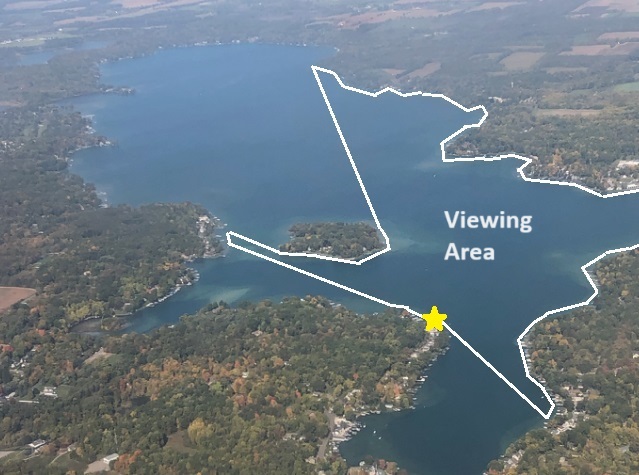
Streaming 24/7 on the southwest shore of Gull Lake at Grand View Beach (South Gull Lake Drive)
- North Webcam: Focuses on Gull Island and scans up the eastern shore toward Ross Township Park, the W.K. Kellogg Manor House, and the MSU grounds. Looking south along the coast, you can spot Sylvan Beach, Midland Park, Gull Lake Ministries, Burlington / Crescent Beach, and Willow Beach.
- South Webcam: Points east/southeast, capturing views of Willow Beach, Sunset Beach, and Allendale.
Viewing Details & Stream Info:
- Playback & Rewind: Both feeds feature a rolling 12-hour video history so you can rewind and catch up on earlier weather or lake activity.
- Stream Delay: The feed on this site runs on roughly a 25-second delay, while our YouTube stream runs about 15 seconds behind real time.
Gull Lake, MI: Clear Waters, Rich History, & Outdoor Recreation
Gull Lake is an inland freshwater lake located in Southwest Michigan near the village of Richland, spanning the border between Kalamazoo and Barry counties. Situated 11 miles northeast of Kalamazoo, 13 miles northwest of Battle Creek, and approximately 45 minutes south of Grand Rapids, it sits within Ross, Richland, and Prairieville townships. Historically populated alongside the adjacent village of Yorkville and the surrounding agricultural region of Gull Prairie, the area developed into a major regional summer resort destination in the late 19th and early 20th centuries. During this era, an electric interurban railway ran directly to the lake, serving local residents as well as prominent industrial families such as the Kelloggs, Upjohns, and Shakespeares.
Geography, Hydrology & Water Quality
- Glacial Origin & Dimensions: Formed by melting glaciers over 14,000 years ago, Gull Lake covers approximately 2,050 acres of surface area. The main basin measures roughly 5 miles from north to south and 1 mile across at its widest point.
- Depth & Clarity: The lake basin plummets to a maximum depth of 110 feet, with an average depth around 40 feet. Cold, natural underground springs supply much of the water, maintaining strong clarity that frequently allows underwater visibility of 25 to 40 feet during spring months.
- Ecosystem & Protections: Water clarity is preserved through a combination of natural spring inflows, clean tributary water from Prairieville Creek, a municipal sanitary sewer system installed around the perimeter in the late 1970s and 1980s, and filter-feeding zebra mussel populations.
- Dam & Water Level Management: Water levels are regulated by a dam situated at the south outlet in Yorkville. Originally constructed in the 1830s, the dam raised natural water levels by about eight feet. Today, the Gull Lake Quality Organization (GLQO) coordinates the annual winter drawdown, lowering water levels by several inches each autumn to prevent ice-push damage to docks and seawalls.
- Name Origin: The lake earned its name from the large flocks of seagulls that routinely fly inland from Lake Michigan to roost along its open waters and shoreline.
Gull Island
- Gull Island, sitting down in the southern basin of Gull Lake, Michigan, wasn’t always an island. It actually started out as a peninsula attached to the mainland. That changed back in 1833 when a pioneer built a dam along the canal at the end of Lovers Lane—where it empties out at the southwest end of the lake—raising the water level and cutting the land off for good.
- Today, it’s a quiet, private spot with about 25 cottages, offering incredible 360-degree views of the water. Since there’s no bridge, the only way over is by boat in the summer or across the ice in the winter. Residents use a small marina on the mainland to park their cars and shuttle back and forth to the island..
Year-Round Recreation
- Boating & Sailing: Deep water and long straightaways make Gull Lake a regional hub for speedboats, wakeboarding, tubing, and waterskiing. Sailing is heavily anchored by the Gull Lake Yacht Club (established in 1926), which conducts weekly fleet races and regional regattas throughout the summer months.
- Fishing: Because the lake is deep enough to hold cold, oxygenated water in its lower depths while maintaining a warmer surface layer, Michigan DNR manages it as a rare two-story fishery. Anglers target cold-water species like Rainbow Trout, Lake Trout, and Landlocked Atlantic Salmon, alongside warm-water species including Smallmouth Bass, Largemouth Bass, Northern Pike, Yellow Perch, and Smelt.
- Scuba Diving: High water clarity makes Gull Lake one of the premier inland diving locations in lower Michigan. Local divers have established underwater navigation trails leading to various submerged items placed on the lakebed, including a phone booth, a car, a motorcycle, a swing set, railroad track sections, an ice shanty, and several small boat hulls.
- Winter Sports: Activity continues after freeze-up in winter. The frozen lake surface is routinely used for ice fishing, ice skating, ice boating (including high-speed DN class ice yachts), and community ice golf tournaments.
Shoreline Layout & Regional Features
- North End: Located primarily in Barry County, the north end features the Prairieville Township Public Launch and Park, which provides primary public boat ramp access. Nearby commercial spots include Ned’s Restaurant and the Gull Lake Market for groceries, supplies, and fuel.
- East Side: The eastern shore features Ross Township Park (a public beach and park facility), Gull Lake Ministries (a non-denominational Christian family resort and conference center), and major educational institutions tied to Michigan State University.
- South End (“The Bay”): The primary commercial district of the lake. Key operations include Gull Lake Marine—a full-service marina operating since 1911 offering boat rentals, sales, slip space, and gas docks—and local dining spots including Compass + Cleaver, The Dock Restaurant, and the Chicken House.
- West Side: Predominantly residential with private shoreline property, the west side is home to the Gull Lake Country Club (featuring golf, tennis, and private lakeside dining) and the Gull Lake Sandbar, a shallow area on the southwest side that serves as a central social anchorage for boaters on summer weekends. Just past the sandbar, you pass Mesquito Island—a small island featuring a single house—right before entering the outlet canal locally known as Lovers Lane. Lined with homes along its entire stretch, Lovers Lane flows south for roughly a half-mile down to the Gull Lake Dam.
Historic Landmarks & Educational Impact
- W.K. Kellogg Manor House: Positioned on a high bluff overlooking the eastern shore, this historic Tudor-revival mansion was built in 1927 as the summer estate for cereal pioneer W.K. Kellogg. The property and surrounding grounds were later donated to Michigan State University.
- MSU Kellogg Biological Station (KBS): Operated by Michigan State University, KBS spans thousands of acres around the lake and serves as a major scientific field station for ecological, agricultural, and environmental research. It includes the nearby W.K. Kellogg Bird Sanctuary and experimental farm lands.
Videos
Full Lap around Gull Lake summer of 2026
1 Lap around Gull Lake, Michigan
Gull Lake Pictorial History
Over 100 pictures – Narrated by Morris and Eleanor Nielsen
Gull Lake Pictorial History 1880 – 1923
Oct 16, 2026

43°F
- Temperature
- Precipitation
- Rain Chance
- Wind

41°/44°°F
0.01 mm
15%
15 mph
70%
1028 mb
0 cm

36°/39°°F
0 mm
9%
11 mph
77%
1030 mb
0 cm

33°/35°°F
0 mm
10%
6 mph
81%
1032 mb
0 cm
36°/43°°F
0 mm
4%
6 mph
60%
1034 mb
0 cm
46°/52°°F
0 mm
1%
3 mph
38%
1033 mb
0 cm
52°/53°°F
0 mm
1%
5 mph
35%
1031 mb
0 cm
43°/51°°F
0 mm
2%
5 mph
49%
1031 mb
0 cm
41°/41°°F
0 mm
4%
6 mph
62%
1032 mb
0 cm